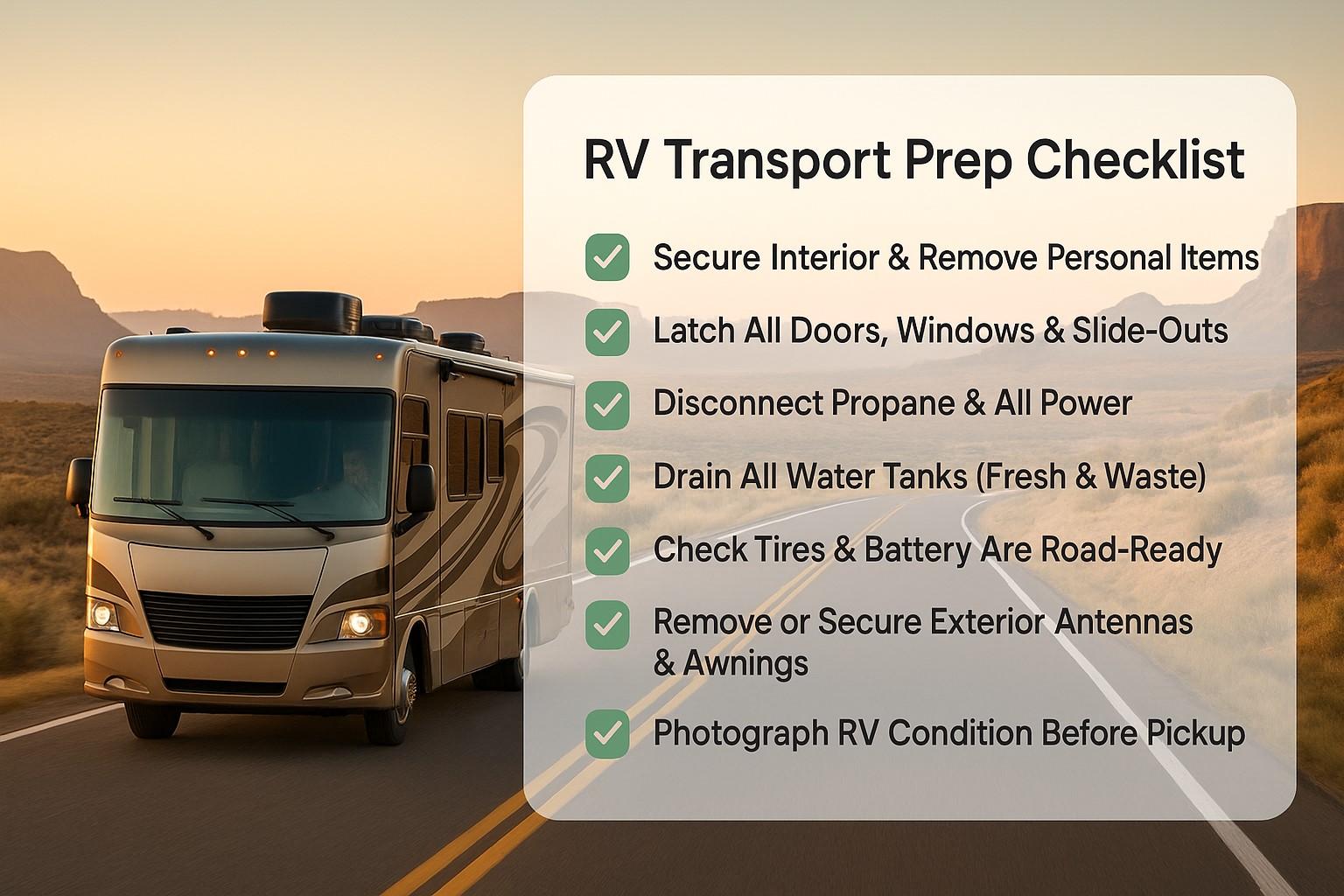
Before your RV begins its journey, a little preparation can make the transportation process easier. Remove valuable and loose items from inside the RV, secure cabinets and doors, and make sure windows and other movable parts are properly closed.
Check the RV’s tires and make sure the vehicle is in the condition required by the transportation provider. If the RV is not operational, let the carrier know before pickup so they can plan for the right loading equipment.
Understanding the RV Transport Process
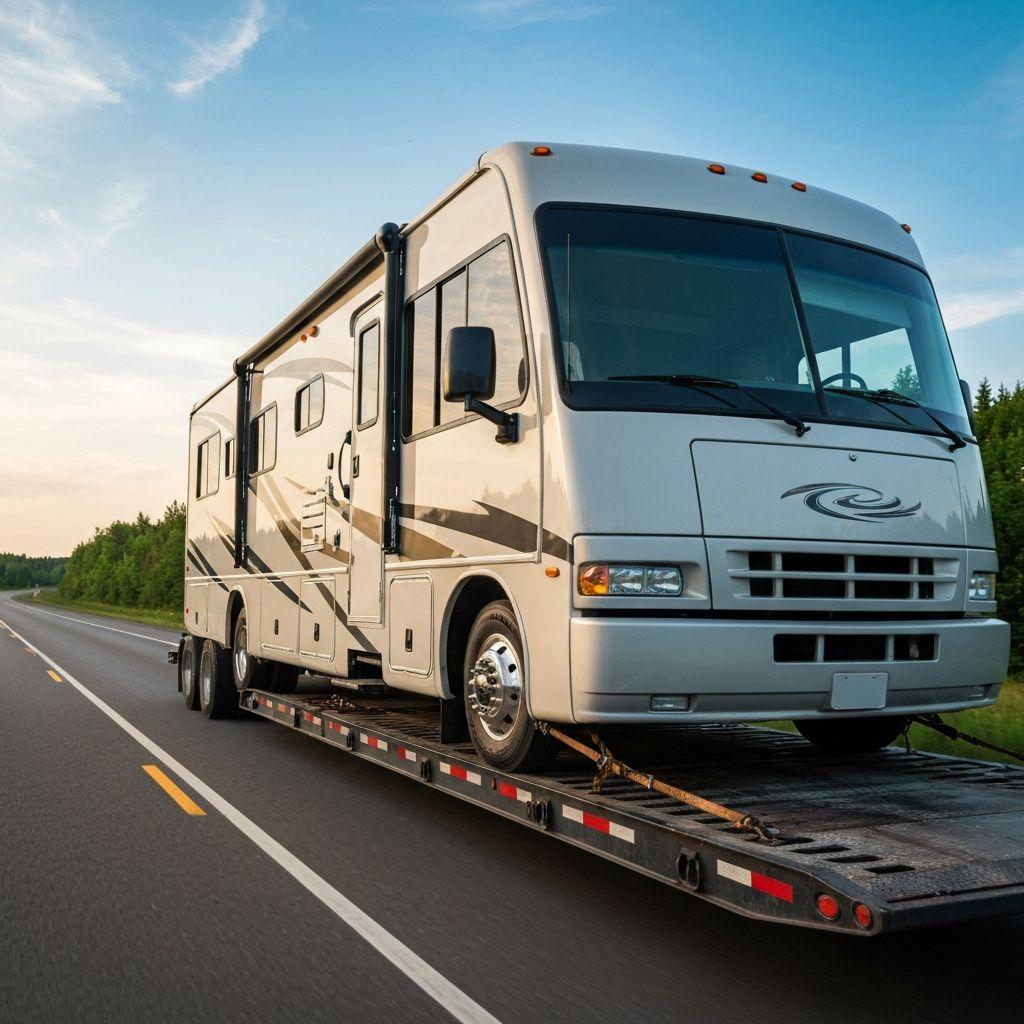
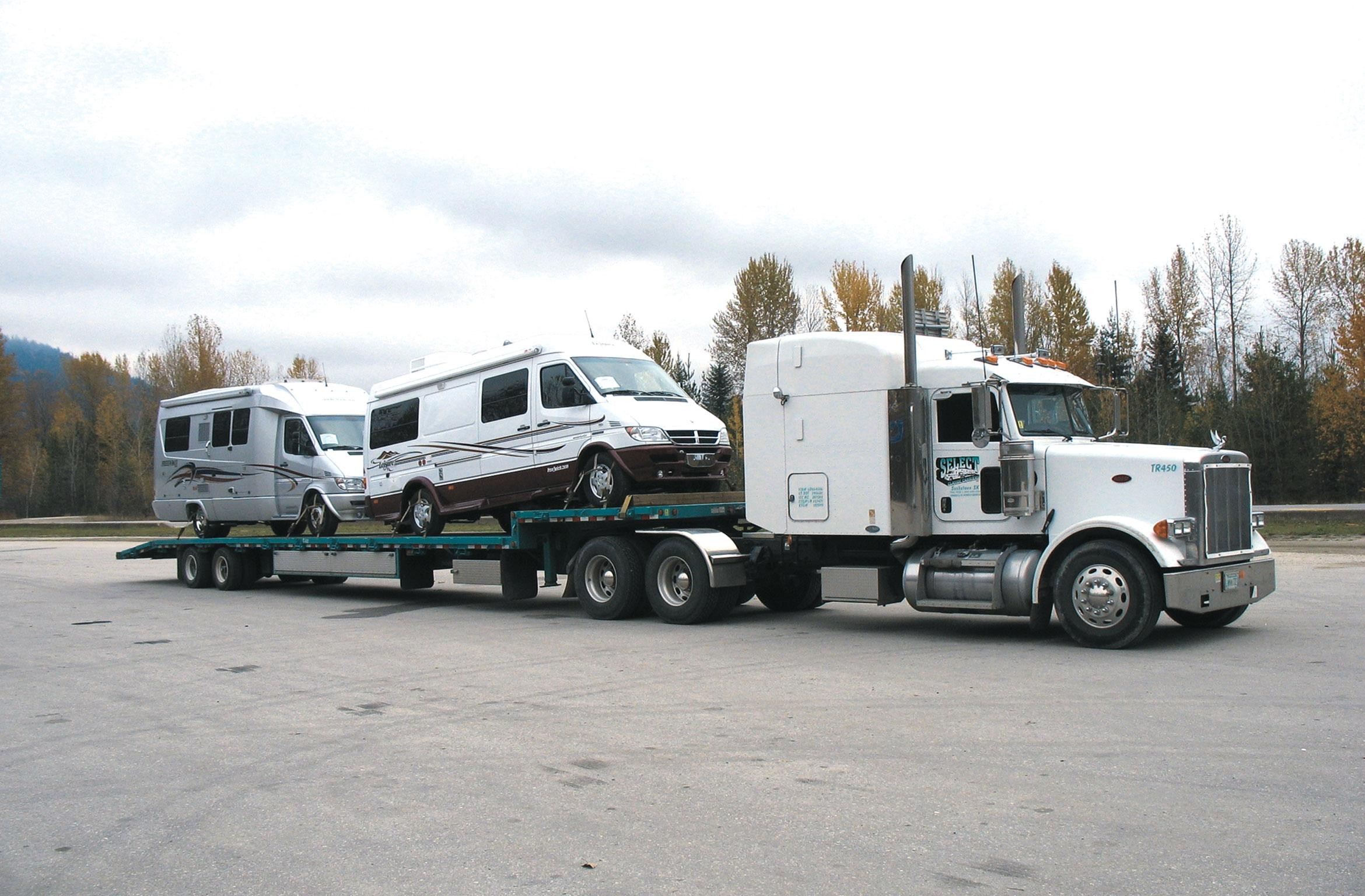
RV transportation means moving your recreational vehicle from one location to another using suitable transportation equipment.
Different RVs may require different transportation methods. A small camper can have different requirements from a large Class A motorhome or fifth-wheel trailer.
Before arranging transportation, it is helpful to know your RV’s basic information and understand how it will be moved.
RV Measurements You Should Have Ready
Accurate RV information is important when getting a shipping estimate.
Try to have these details available:
Length: How long is the RV?
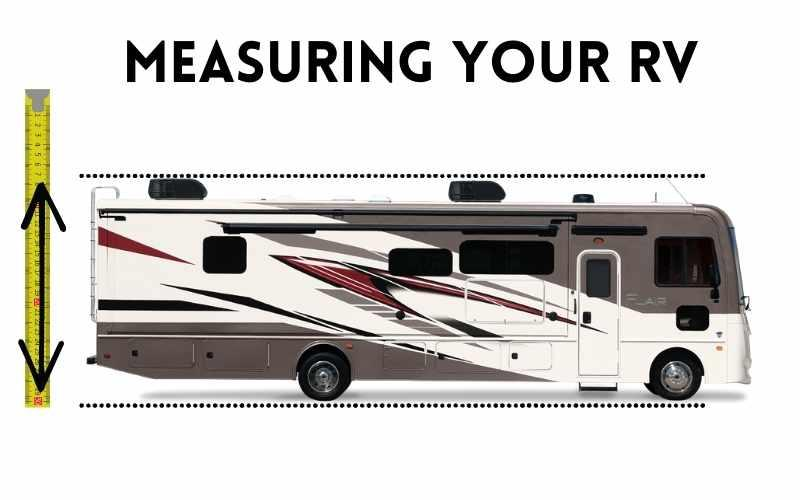
Height: How tall is it?
Weight: How much does it weigh?
Type: Is it a Class A, Class B, Class C, travel trailer, fifth wheel, camper, or another type?
These details help the transportation provider determine the appropriate equipment and transportation requirements.
Estimating Your RV Shipping Cost
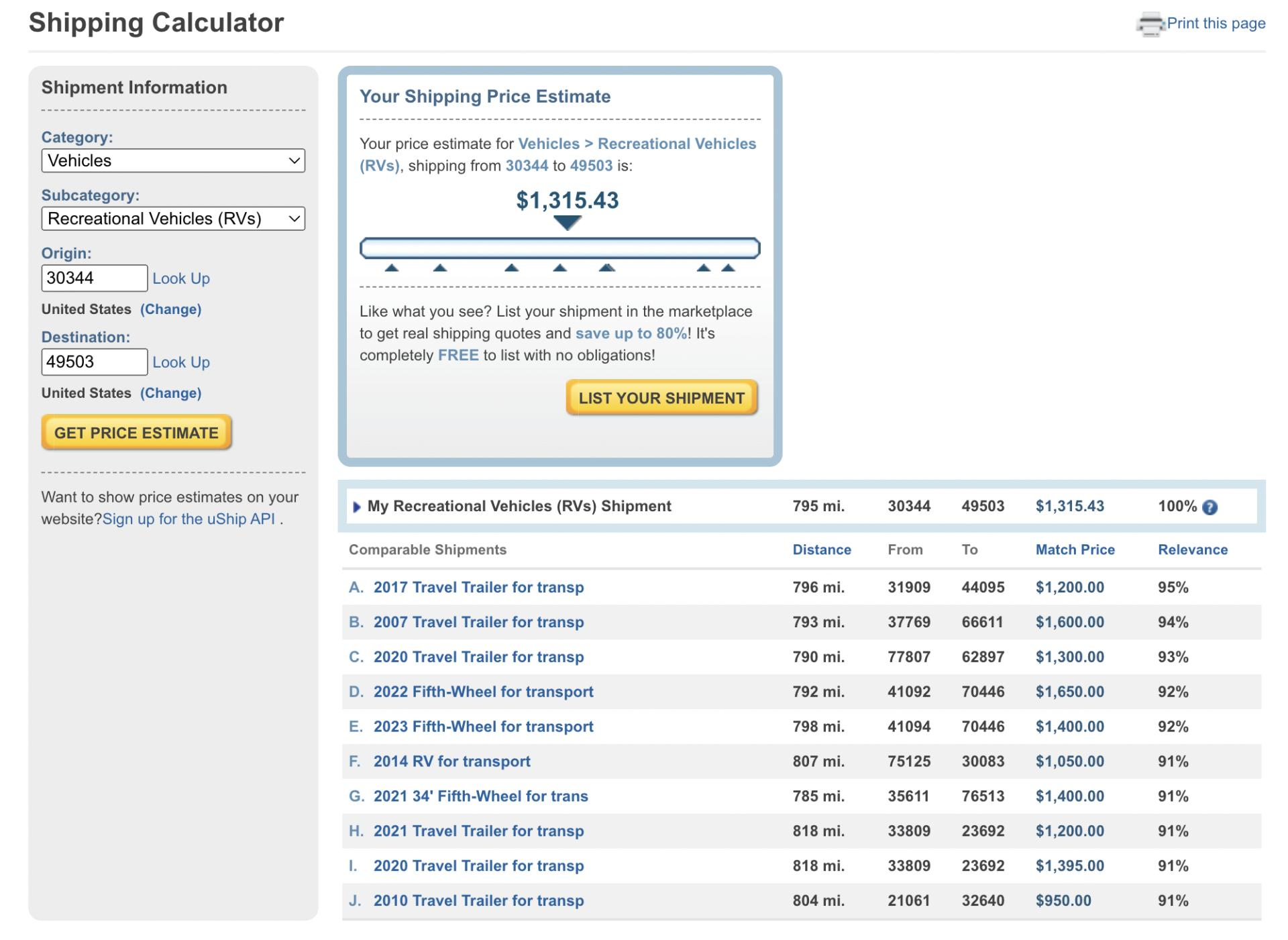
Once you have your RV information ready, you can use an RV Shipping Calculator to get an initial estimate.
Typically, you will enter information such as:
- Pickup location
- Delivery location
- RV type
- RV length
- RV height
- RV weight
- Operational status
- Transport method
The calculator can help you create an initial transportation budget before contacting a carrier or making arrangements.
What Can Change Your RV Shipping Price?
There is no fixed price for every RV shipment. Several factors can change the estimated cost.
The most common factors include:
- Pickup and delivery locations
- Total distance
- RV type
- RV length and height
- RV weight
- Operational or non-operational condition
- Transportation method
- Route requirements
- Carrier availability
A large motorhome traveling across the country may require more planning and equipment than a smaller RV traveling a short distance.
Things First-Time RV Shippers Should Know
If you are shipping an RV for the first time, a few simple steps can make the process easier.
- Keep your RV’s dimensions and weight ready.
- Tell the carrier if the RV is non-operational.
- Remove valuable and loose belongings.
- Follow the carrier’s preparation instructions.
- Take photos before pickup.
- Ask about pickup and delivery arrangements.
- Understand that an online estimate may change after the shipment is reviewed.
Being prepared can help reduce confusion and make the transportation process smoother.
What to Remember About RV Shipping
The cost of shipping an RV depends on more than just distance. Your RV type, size, weight, condition, route, transportation method, and carrier availability can all affect the price.
Prepare your RV carefully, provide accurate information, and use a shipping calculator to get a better idea of your potential transportation cost.
Plan ahead, prepare your RV, and start your shipment with the right information.
URL:https://www.transportrankings.com/rv-shipping-calculator.php