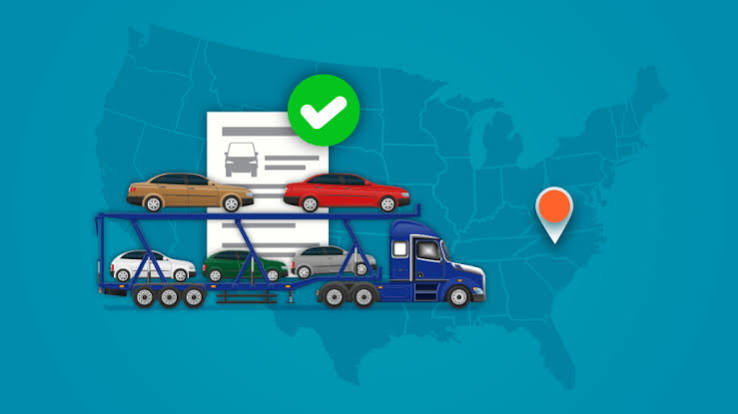
Car dealerships regularly move vehicles between manufacturers, auctions, storage facilities, dealership branches and customers. Transporting several cars together requires careful scheduling, secure loading and detailed vehicle inspections.
Dealership vehicle transport usually relies on professional car carriers designed to move multiple vehicles during one trip. This allows dealerships to manage inventory efficiently while reducing the cost of transporting each vehicle separately.
Planning a Multi-Vehicle Shipment
The dealership begins by providing the transport company with information about every vehicle included in the shipment.
This normally includes the year, make, model, vehicle identification number, running condition and pickup and delivery locations. The carrier may also need the dimensions and weight of larger SUVs, pickup trucks or modified vehicles.
Accurate information helps the transport company select the correct trailer and plan how the vehicles will be positioned. Dealerships may book a full trailer for a large shipment or share trailer space with vehicles belonging to other customers.
Choosing the Right Transport Method
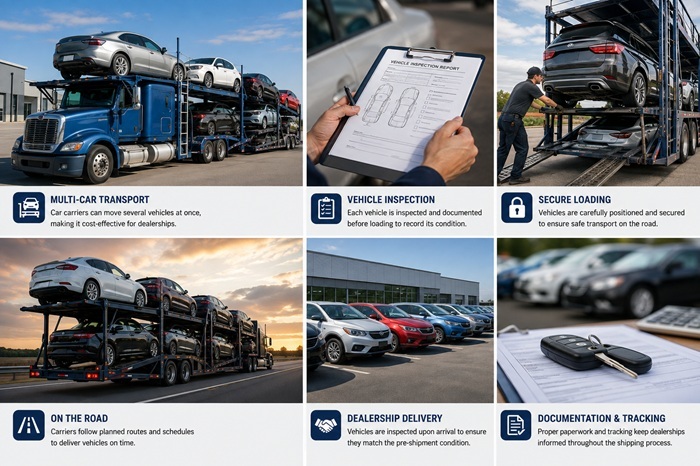
Open car carriers are commonly used for dealership vehicle transport because they can carry several vehicles and are widely available. These are the same multi-level trailers frequently seen delivering new cars to dealerships.
Open transport is suitable for:
- New dealership inventory
- Used vehicles
- Auction purchases
- Trade-in vehicles
- Standard cars, SUVs and trucks
Enclosed transport may be selected for luxury, exotic, classic or high-value dealership vehicles. It offers additional protection from weather, road debris and public visibility, but normally carries fewer vehicles and costs more.
Inspecting and Loading the Vehicles
Each vehicle should be inspected before loading. Existing scratches, dents, paint chips and other visible damage are recorded on the transport paperwork.
The driver then loads the vehicles according to their size, weight and delivery order. Proper weight distribution is important for safe trailer operation.
Vehicles are secured using approved wheel straps or tie-down systems. Larger vehicles may require additional space, while low-clearance cars may need specialised ramps or hydraulic lift equipment.
Tracking and Receiving the Shipment
Once the vehicles are loaded, the carrier begins the planned route. A multi-car shipment may include several dealership or auction stops, so delivery times are usually provided as estimated windows.
Dealerships should maintain contact with the broker or carrier and confirm that someone will be available to receive the shipment.
At delivery, every vehicle should be inspected before the final paperwork is signed. The receiving employee should compare the condition of each car with its pickup inspection report.

What Affects Dealership Transport Costs?
The price of dealership vehicle transport depends on several factors, including:
- Number of vehicles
- Total transport distance
- Vehicle size and weight
- Open or enclosed shipping
- Running condition
- Route popularity
- Fuel prices
- Seasonal demand
- Pickup and delivery accessibility
Shipping several vehicles together can reduce the average transport cost per car. However, oversized trucks, inoperable vehicles and urgent delivery requests may increase the final price.
Final Thoughts
Dealership vehicle transport provides an efficient way to move several cars between auctions, storage yards, dealership locations and customers.
Successful transport depends on accurate vehicle information, careful inspections, secure loading and clear communication with the carrier. Dealerships should also confirm insurance, operating authority and delivery procedures before booking.
Transport Rankings helps dealerships and customers compare auto transport companies, review carrier information and choose reliable providers for multi-vehicle shipping.