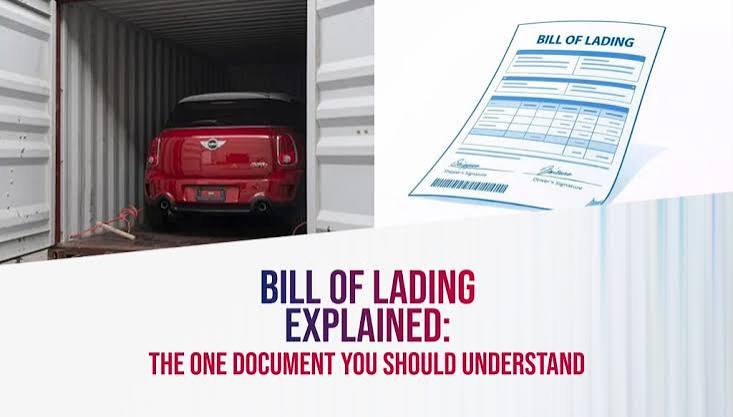
Shipping a vehicle involves more than selecting a carrier and arranging pickup. One of the most important parts of the process is reviewing the auto transport bill of lading.
This document acts as the official record of the shipment. It contains transportation details, confirms that the carrier received the vehicle and records its condition before and after delivery. Customers should never treat it as ordinary paperwork or sign it without checking the information carefully.
A Record of the Vehicle Shipment
The bill of lading normally includes the customer’s information, pickup and delivery locations, vehicle details, carrier information and scheduled transport dates.
It may also contain payment terms, transport conditions and instructions related to pickup or delivery. The vehicle’s year, make, model and identification number should match the car being transported.
Any incorrect information should be corrected before the vehicle is loaded.

Documenting the Vehicle’s Condition
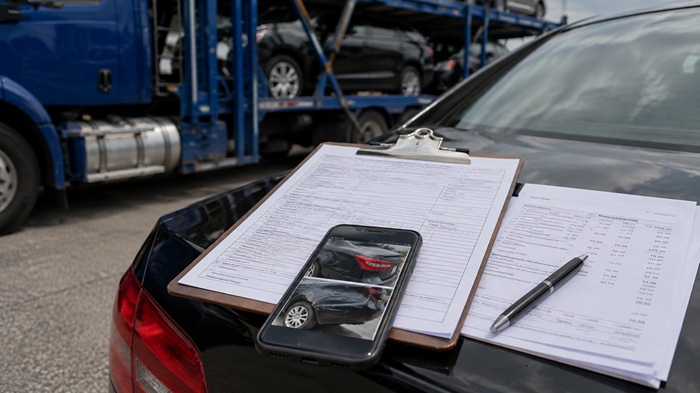
Before loading, the driver will inspect the vehicle and mark visible scratches, dents, paint chips or other existing damage on a condition diagram.
The customer should participate in this inspection instead of allowing the driver to complete it alone. Walk around the vehicle and confirm that every existing mark has been recorded accurately.
It is also important to take clear photographs of the vehicle from several angles. Capture the front, rear, sides, roof, wheels, windows and any existing damage. These photographs create an additional record of the vehicle’s condition at pickup.
The car should be clean enough for small scratches and dents to be visible.
Inspection at Delivery
The bill of lading becomes especially important when the vehicle reaches its destination.
Before signing the delivery section, compare the car with the pickup inspection report and your photographs. Check the bumpers, body panels, paint, mirrors, windows, wheels and roof.
The inspection should ideally be completed in daylight or a well-lit location.
When new damage is discovered, it should be written clearly on the bill of lading before the customer signs it. Photographs should also be taken immediately. Signing the document without noting visible damage may make a later insurance claim more difficult.
Supporting a Damage Claim
The bill of lading can serve as key evidence when a customer reports damage caused during transport.
A claim may also require pickup and delivery photographs, repair estimates, the transport agreement, payment records and the carrier’s insurance information.
Customers should keep their copy of the bill of lading until the vehicle has been delivered, inspected and confirmed to be in satisfactory condition.
Signing the Document Carefully
Never sign a blank, incomplete or inaccurate bill of lading. Read the condition notes and transport details before adding your signature.
Ask the driver or transport company to explain anything that is unclear. Both the pickup and delivery copies should be stored with the other shipping documents.