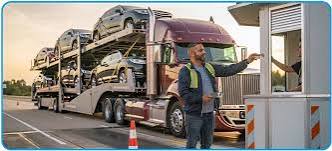
Shipping an SUV, pickup truck or oversized vehicle requires more planning than transporting a standard car.
Larger vehicles take up additional trailer space, may weigh more and can require specialised loading equipment. These factors can affect the transport price, carrier availability and pickup schedule.
Understanding how oversized vehicle shipping works can help you receive a more accurate quote and avoid delays.
What Is Considered an Oversized Vehicle?
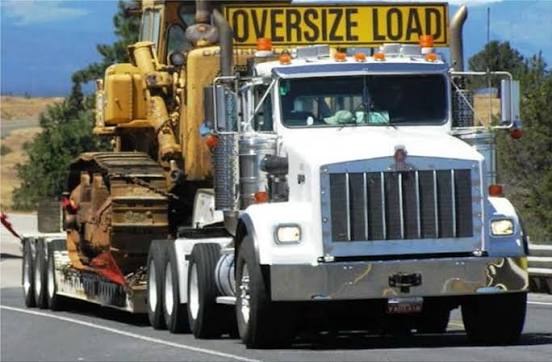
In auto transport, a vehicle may be treated as oversized when its height, width, length or weight is greater than a standard passenger car.
Examples may include:
- Full-size SUVs
- Pickup trucks
- Heavy-duty trucks
- Lifted vehicles
- Extended-cab trucks
- Dually pickup trucks
- Large vans
- Modified off-road vehicles
- Vehicles with oversized tires
- Trucks with roof racks or toolboxes
The exact classification can vary between carriers because every trailer has different weight and space limits.
Why Does Oversized Vehicle Shipping Cost More?
Auto transport prices are partly based on the amount of trailer space a vehicle occupies.
A large SUV or pickup truck may reduce the number of other vehicles the carrier can load. Heavier vehicles may also affect how weight must be distributed across the trailer.
Additional costs may apply because of:
- Extra trailer space
- Higher vehicle weight
- Special loading requirements
- Limited carrier availability
- Vehicle modifications
- Inoperable condition
- Longer pickup or delivery routes
Providing accurate vehicle information helps the company calculate a realistic price.
Why Vehicle Modifications Must Be Disclosed
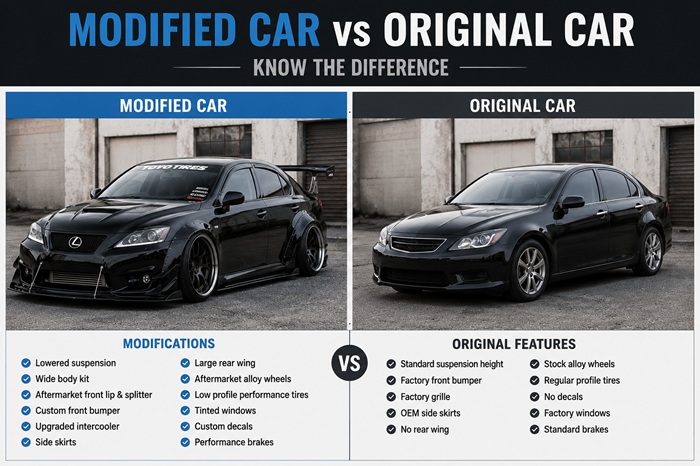
Modifications can significantly affect the shipping process.
Tell the transport company about:
- Lift kits
- Lowered suspension
- Oversized tires
- Roof-mounted equipment
- Running boards
- Brush guards
- Extended mirrors
- Toolboxes
- Camper shells
- Aftermarket bumpers
Failing to disclose modifications may result in a price change, delayed pickup or cancellation if the assigned carrier cannot load the vehicle safely.
How to Prepare an Oversized Vehicle for Shipping
Before pickup:
- Wash and photograph the vehicle
- Remove personal belongings
- Secure or remove loose accessories
- Retract or remove extended mirrors when possible
- Check tires, brakes and battery
- Leave approximately one-quarter tank of fuel
- Disable alarms
- Remove detachable roof equipment
- Provide a working key
The vehicle should also be accessible from a wide street or open parking area. Large transport trucks may not be able to enter narrow residential roads.
What Information Is Needed for a Quote?
To receive an accurate oversized vehicle shipping quote, provide:
- Vehicle year, make and model
- Exact height, width and length
- Approximate weight
- Running condition
- Modification details
- Pickup and delivery locations
- Open or enclosed transport preference
- Preferred shipping dates
Photos may also help the carrier confirm whether specialised equipment is required.
Final Thoughts
Shipping an SUV, truck or oversized vehicle can be completed safely when the carrier receives accurate information before booking.
Larger dimensions, added weight and vehicle modifications may increase the cost and limit trailer availability. Measure the vehicle carefully, disclose every modification and confirm the transport method before signing the agreement.
Transport Rankings helps customers compare auto transport companies, review carrier information and choose a provider experienced in oversized vehicle shipping.